Electric Hoists: Efficient Lifting Solutions for Heavy Loads
Electric hoists are a powerful and reliable solution for lifting heavy loads in a wide range of industries, from construction to manufacturing and warehousing. These machines are designed to make material handling more efficient by using electrical power to lift, lower, and move heavy objects with ease. With their ability to handle substantial weight, electric hoists save time and reduce manual labor, making them an essential tool for businesses that require frequent lifting tasks.
What Are Electric Hoists?
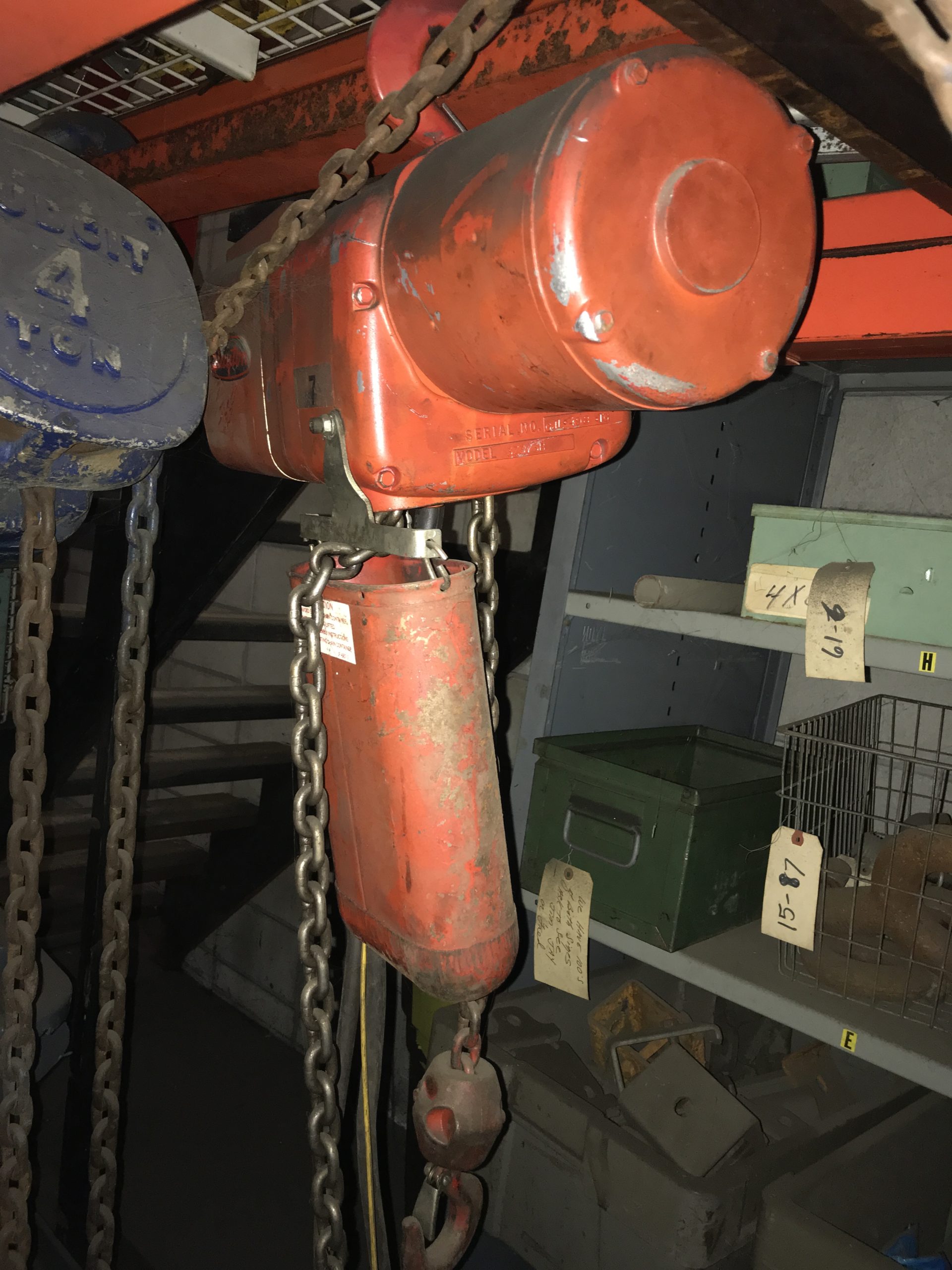
Electric hoists are motorized lifting devices designed to raise and lower heavy objects using a hook, rope, or chain. Unlike manual hoists, which require physical effort, electric hoists operate via an electric motor, providing smooth and efficient lifting power. These hoists come in various configurations, including chain hoists and wire rope hoists, each suited to different lifting needs. The primary function of an electric hoist is to move large or heavy items with minimal effort, reducing the strain on workers and improving overall operational efficiency.
Hoists are typically mounted on overhead beams or fixed to a trolley system, allowing them to move along a track or horizontally across an area. This versatility makes them ideal for use in warehouses, factories, and other industrial environments where heavy lifting is a common requirement. By eliminating the need for manual lifting, hoists enhance both productivity and workplace safety.
Benefits of Electric Hoists
1. Increased Lifting Capacity: Electric hoists are designed to handle much heavier loads compared to manual options. With their motorized operation, these hoists can lift thousands of pounds with ease, making them suitable for lifting large machinery, equipment, or building materials. This increased capacity means businesses can move heavier items faster and more efficiently.
2. Enhanced Safety: Using an electric hoist significantly reduces the physical strain on workers, which decreases the risk of injuries associated with manual lifting. Electric hoists come equipped with safety features such as limit switches, overload protection, and emergency stop buttons to ensure safe operation. These safety mechanisms help prevent accidents and ensure that the hoist operates within its intended capacity.
3. Improved Productivity: By automating the lifting process, electric hoists improve overall productivity. Workers can quickly and easily move heavy objects without the need for additional personnel or heavy manual labor. The speed and ease of operation also reduce downtime, allowing your business to complete tasks more efficiently and maintain a steady workflow.
4. Versatility Across Applications: Electric hoists are incredibly versatile and can be used in a variety of industries and applications. In warehouses, hoists are often used for loading and unloading pallets or heavy goods. In manufacturing, hoists are commonly employed to move raw materials or finished products between different stages of production. Construction sites also benefit from electric hoists, as they are essential for lifting heavy building materials to elevated areas.
5. Easy Operation: Electric hoists are user-friendly and simple to operate, even for personnel with minimal training. The controls typically consist of a handheld pendant or wireless remote, allowing the operator to easily control the hoist’s movement. With smooth, controlled lifting and lowering, workers can position items with precision and efficiency.
Applications of Hoists
Hoists are used in a wide range of industries, including construction, manufacturing, logistics, and warehousing. They are particularly useful in environments where heavy lifting is a regular task. For example, in manufacturing facilities, hoists are used to lift heavy machinery parts and components. In warehouses, electric hoists facilitate the movement of large boxes or pallets, reducing the need for forklifts in tight spaces. In construction, hoists are indispensable for moving building materials such as steel beams, concrete blocks, and other heavy items to elevated heights.
Conclusion
Electric hoists are a critical tool for businesses looking to increase efficiency and safety in material handling tasks. These motorized lifting devices provide a fast, reliable, and safe way to move heavy loads, reducing the physical demands on workers while improving overall productivity. Whether you’re in construction, warehousing, or manufacturing, investing in high-quality hoists can streamline your operations, increase your lifting capacity, and enhance workplace safety. With their versatility, ease of use, and enhanced performance, hoists are a must-have for any business that requires heavy lifting.
FAQ for Electric Hoists
1. What are electric hoists?
Electric hoists are motorized lifting devices used to raise and lower heavy loads in industrial, commercial, or construction environments. Powered by electricity, these hoists offer a fast and efficient way to lift items that would otherwise require significant manual labor or hydraulic equipment.
2. How do hoists work?
Hoists work by using an electric motor to wind or unwind a rope, chain, or cable, which in turn lifts or lowers the load. The motor is typically controlled via a pendant control or remote, allowing operators to precisely manage the lifting and lowering process, making it much safer and more efficient than manual methods.
3. What are the benefits of using electric hoists?
Electric hoists offer several key benefits, including increased lifting speed, enhanced safety, and reduced physical strain on workers. By automating the lifting process, hoists help improve productivity, reduce the risk of injury, and allow for the handling of heavier loads with ease, all while saving time and labor costs.
4. What types of electric hoists are available?
There are two primary types of electric hoists: chain hoists and wire rope hoists. Chain hoists are typically used for lifting heavier loads, while wire rope hoists are preferred for lifting loads at greater heights. Both types come in a variety of lifting capacities and configurations to suit different industrial applications.
5. How much weight can electric hoists lift?
Electric hoists are available in a wide range of lifting capacities, typically ranging from 250 pounds to several tons. The specific weight a hoist can handle depends on its design, motor power, and intended application. It’s important to choose a hoist with an appropriate weight capacity to ensure safe and efficient operation.
6. Are hoists customizable for specific applications?
Yes, hoists can be customized to suit various needs. Customization options include different lifting capacities, lifting speeds, power sources, and control systems. At Yankee Supply, we offer a wide selection of hoists tailored to the specific demands of your business, whether you’re lifting light items or heavy industrial loads.
7. How can I purchase electric hoists from Yankee Supply?
To learn more about electric hoists or to purchase one for your business, contact Yankee Supply at 800.232.7225. Our team can help you find the right hoist for your needs, and provide expert advice on installation and operation.
Ready to make lifting easier and more efficient? Contact Yankee Supply at 800.232.7225 today for all your electric hoist needs!